
Identity Protection is about preparing before fraud happens, and knowing what to do quickly if it does. Identity thieves can open accounts, file fraudulent tax returns, or take out loans using stolen personal details, and the cleanup can take months. Families often assume this only happens to other people, but children, older relatives, and anyone whose data has been exposed in a breach can be affected. Nesswick’s identity protection guidance covers the free safeguards most households can set up in an afternoon, plus how paid monitoring services fit in for people who want an extra layer of awareness. The goal is preparation, not panic.
Start with the free steps
- Freeze your credit with the major credit bureaus; it’s free and one of the strongest protections available.
- Set up transaction and login alerts on your bank and credit card accounts.
- Check your credit reports for accounts you don’t recognize.
- Use unique passwords and multi-factor authentication on financial accounts.
- Write down a simple response plan: who to call first if something looks wrong.
Latest Identity Protection Guides
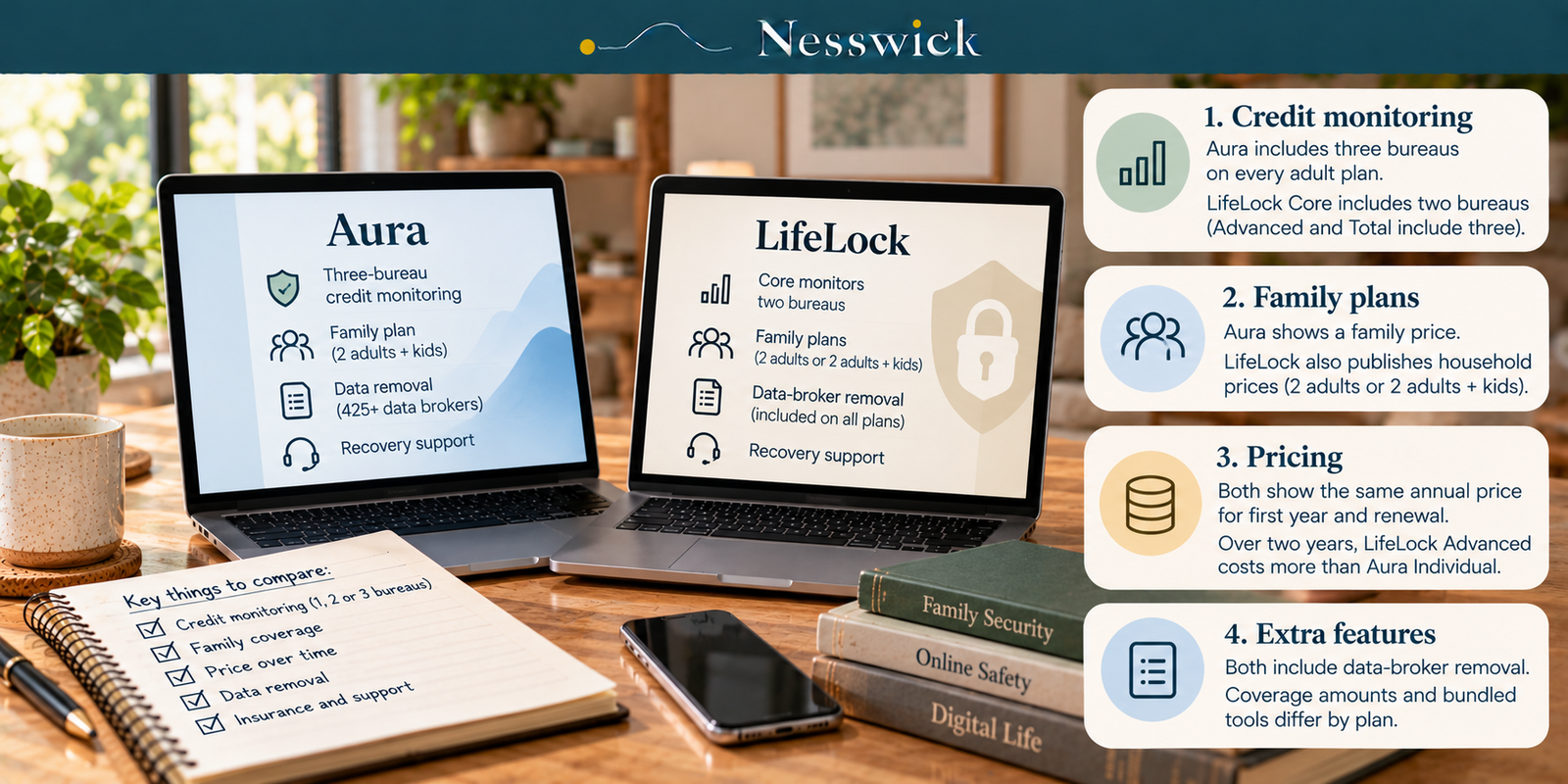
Aura vs LifeLock: Four Structural Differences That Decide It
Read Guide →: Aura vs LifeLock: Four Structural Differences That Decide ItAura and LifeLock now both offer data removal and publish family prices. Compare credit-bureau coverage, annual costs, households and extra…

Aura Review: What the Family Plan Actually Covers
Read Guide →: Aura Review: What the Family Plan Actually CoversAura combines identity monitoring, three-bureau credit monitoring, fraud remediation, security tools and insurance. The Family plan covers five adults and…
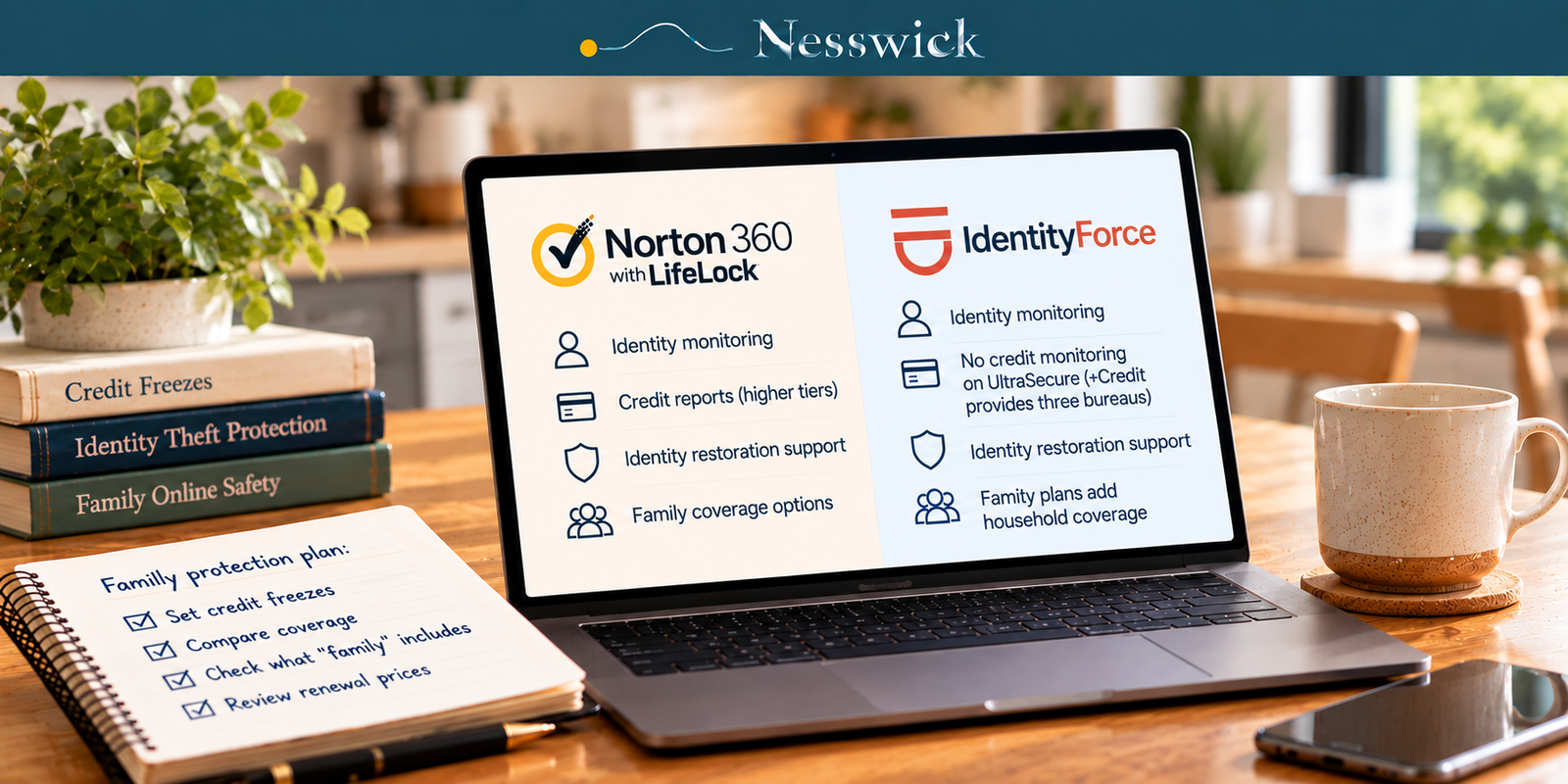
LifeLock vs IdentityForce: What “Family” Actually Adds
Read Guide →: LifeLock vs IdentityForce: What “Family” Actually AddsIdentityForce UltraSecure family plans add household members but no credit monitoring; +Credit adds three-bureau monitoring. Norton’s Select Plus and Advantage…
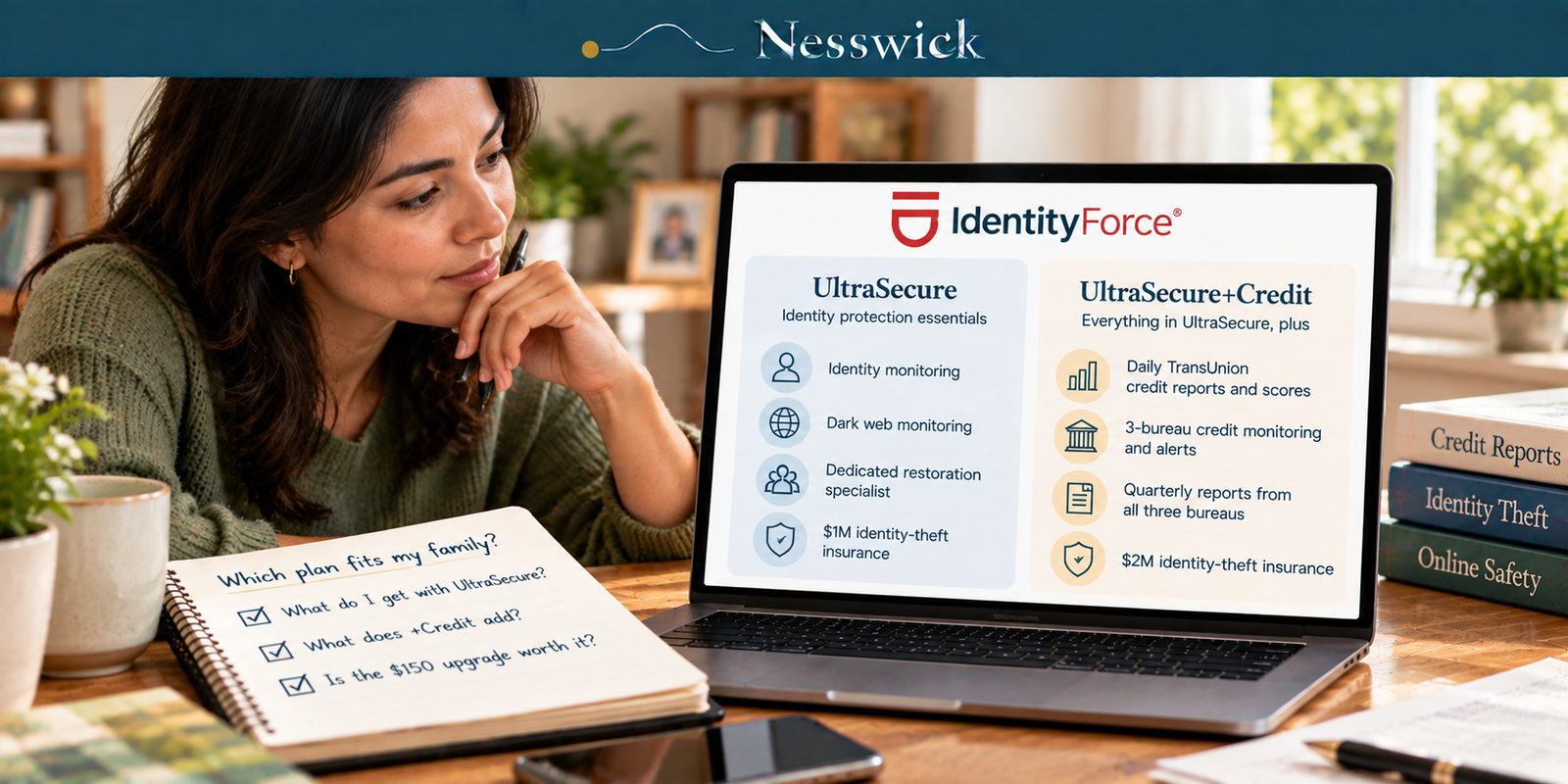
IdentityForce Review: The $150 Question Between UltraSecure and UltraSecure+Credit
Read Guide →: IdentityForce Review: The $150 Question Between UltraSecure and UltraSecure+CreditIdentityForce UltraSecure focuses on identity protection. UltraSecure+Credit adds the adult credit-monitoring layer for $150 more a year. Here is what…
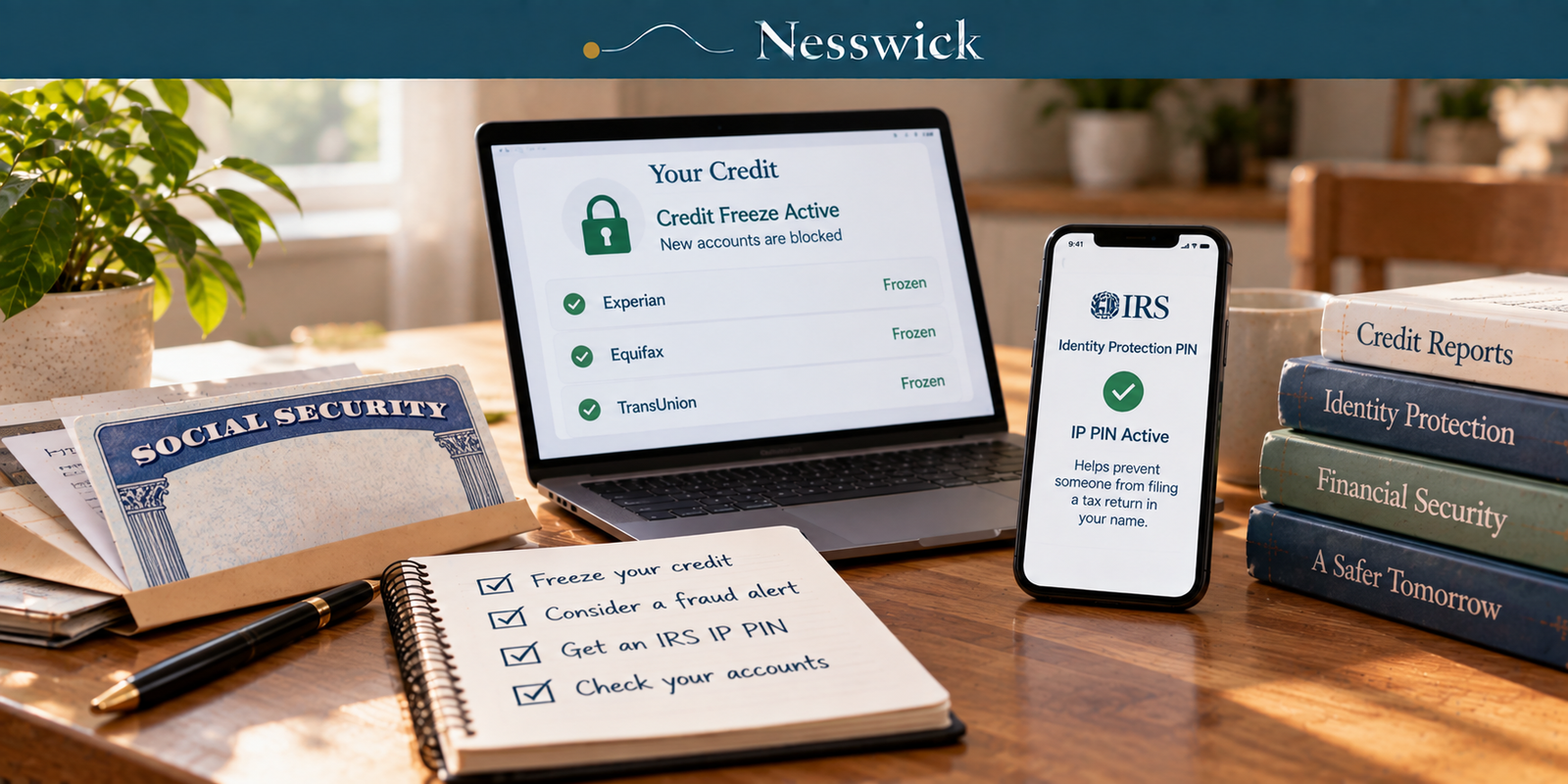
What to Do If Your Social Security Number Is Stolen or Exposed
Read Guide →: What to Do If Your Social Security Number Is Stolen or ExposedMost people whose Social Security number turns up in a breach are handed a recovery checklist built for victims. Here…
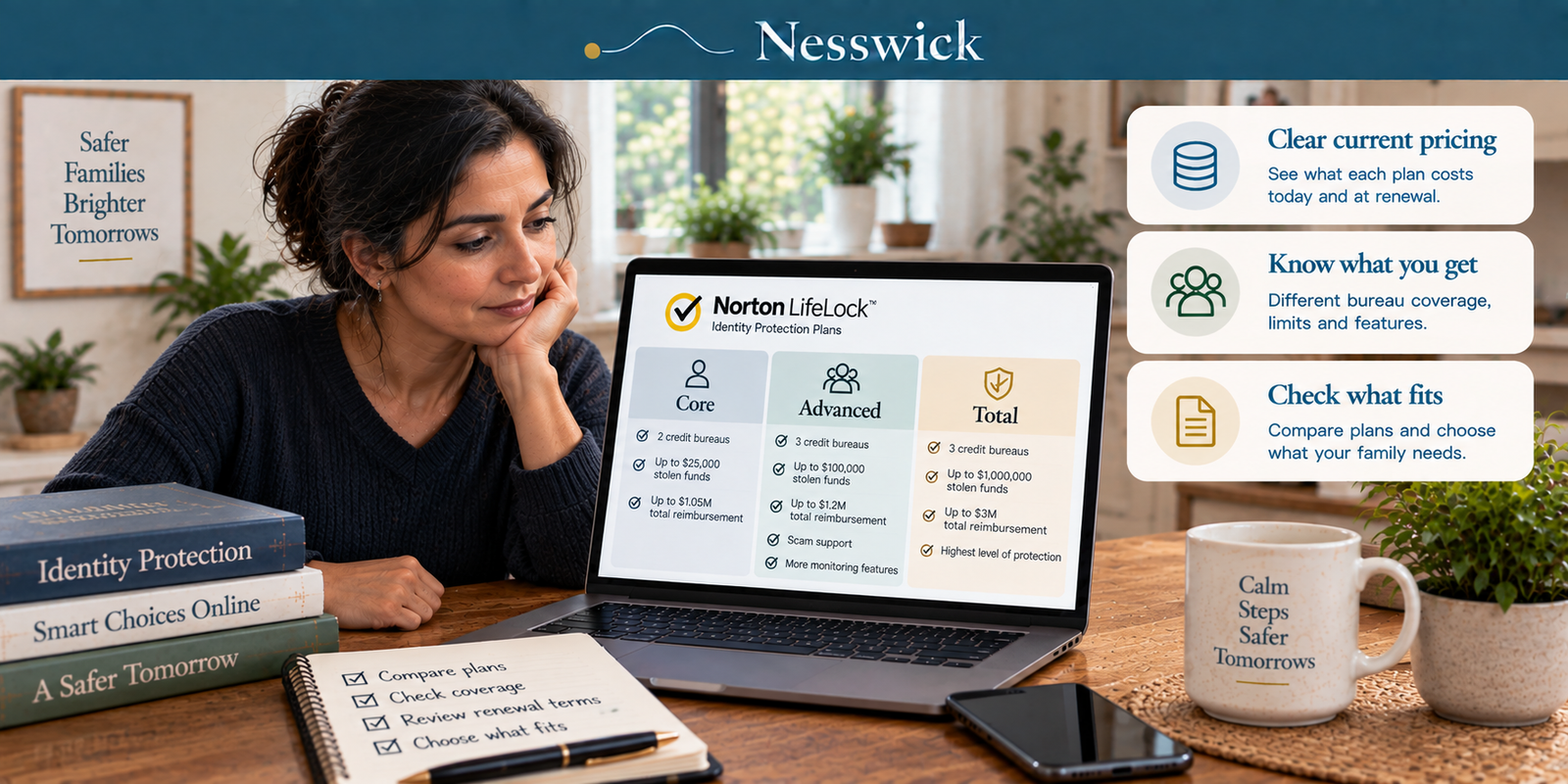
LifeLock Review: What It Costs and What the Coverage Adds
Read Guide →: LifeLock Review: What It Costs and What the Coverage AddsLifeLock Core, Advanced and Total differ in credit monitoring, reimbursement limits and features. Here is what the plans currently cost…
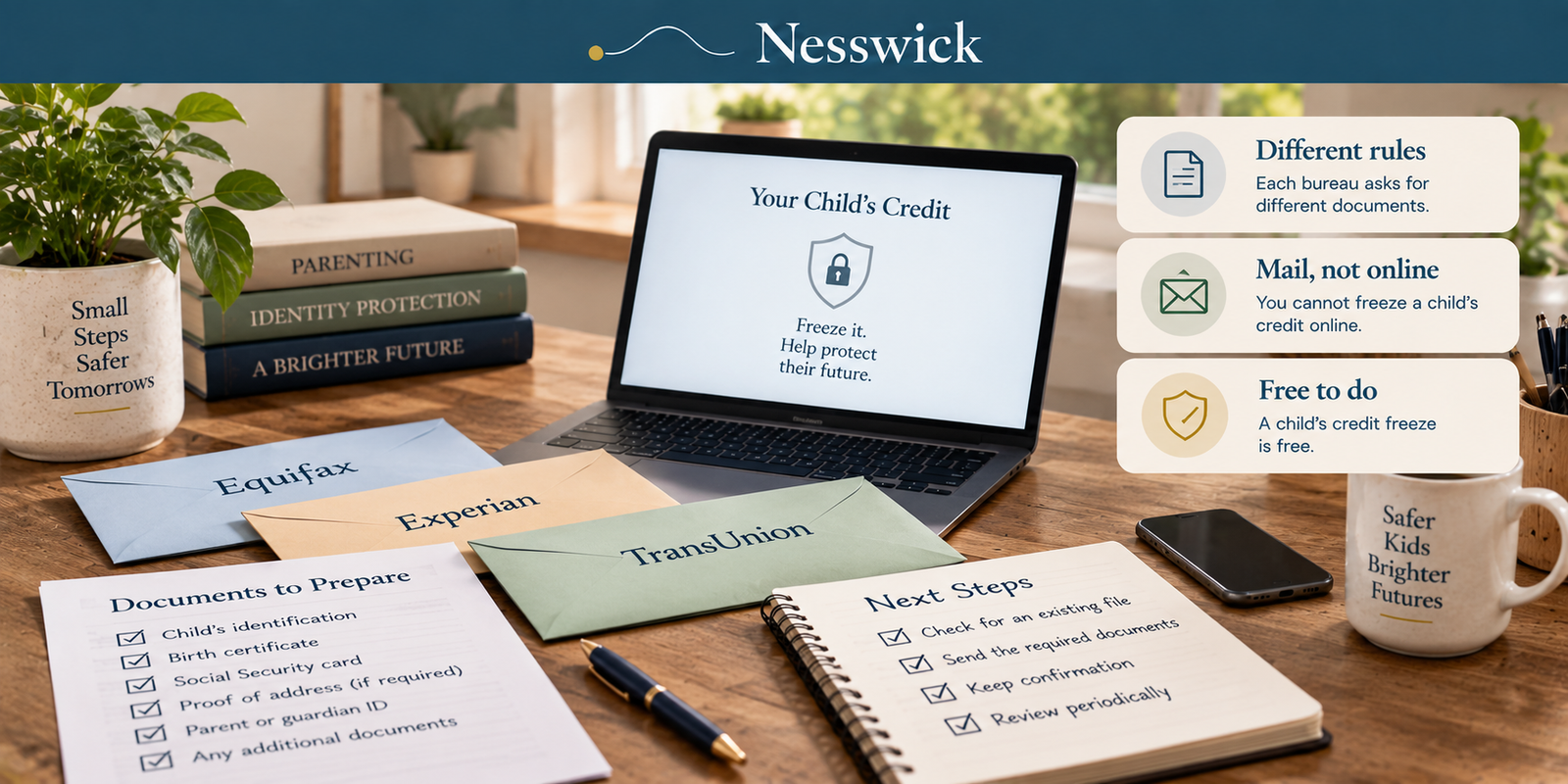
How to Freeze Your Child’s Credit (and What Each Bureau Asks For)
Read Guide →: How to Freeze Your Child’s Credit (and What Each Bureau Asks For)You cannot freeze a child’s credit online, and the three bureaus disagree on ages, documents and even whether a file…
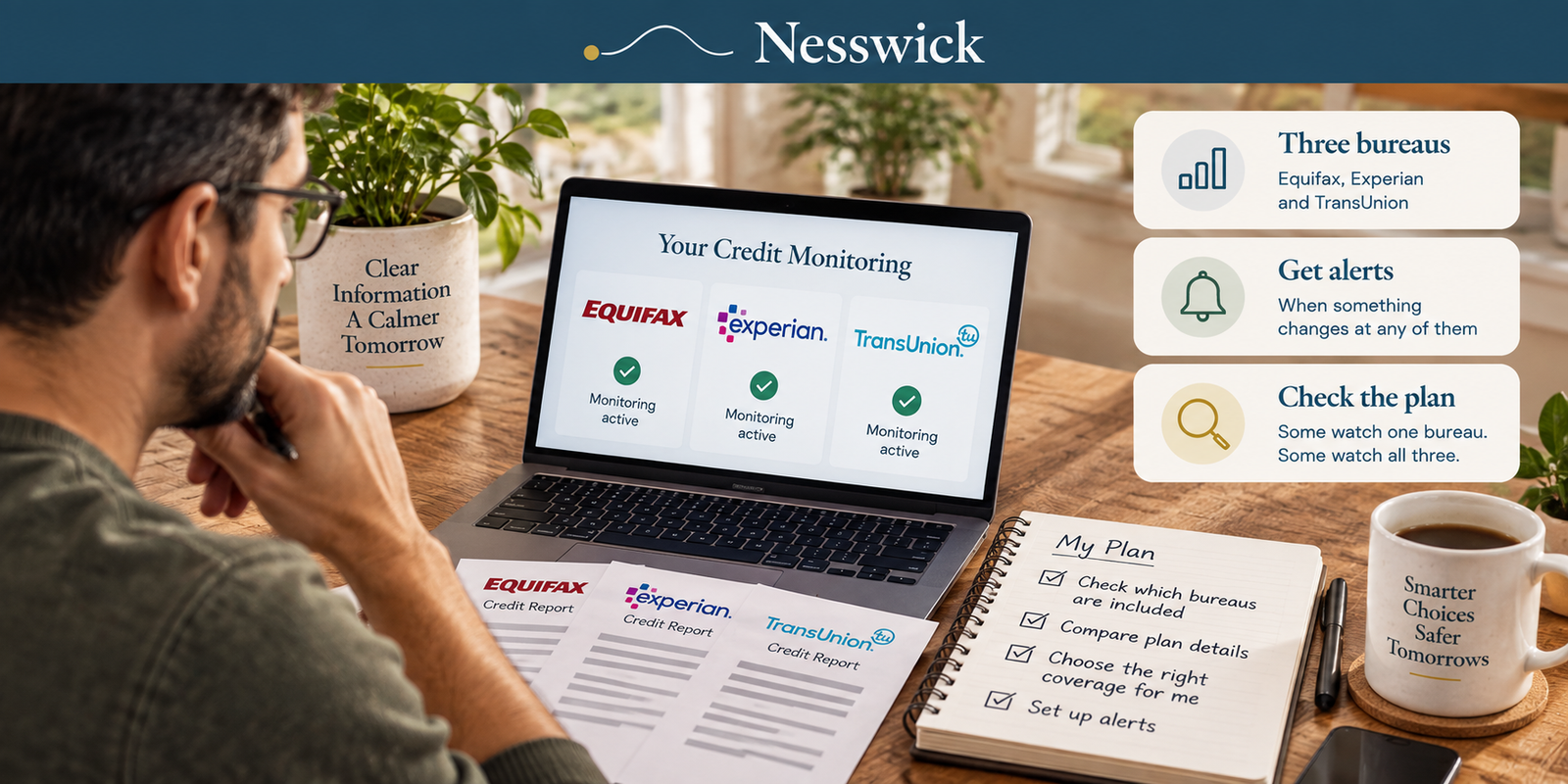
What Three-Bureau Credit Monitoring Means, and Which Plans Actually Include It
Read Guide →: What Three-Bureau Credit Monitoring Means, and Which Plans Actually Include ItSome paid plans watch one, two or three credit bureaus, while some identity-protection tiers include no bureau monitoring. Here is…
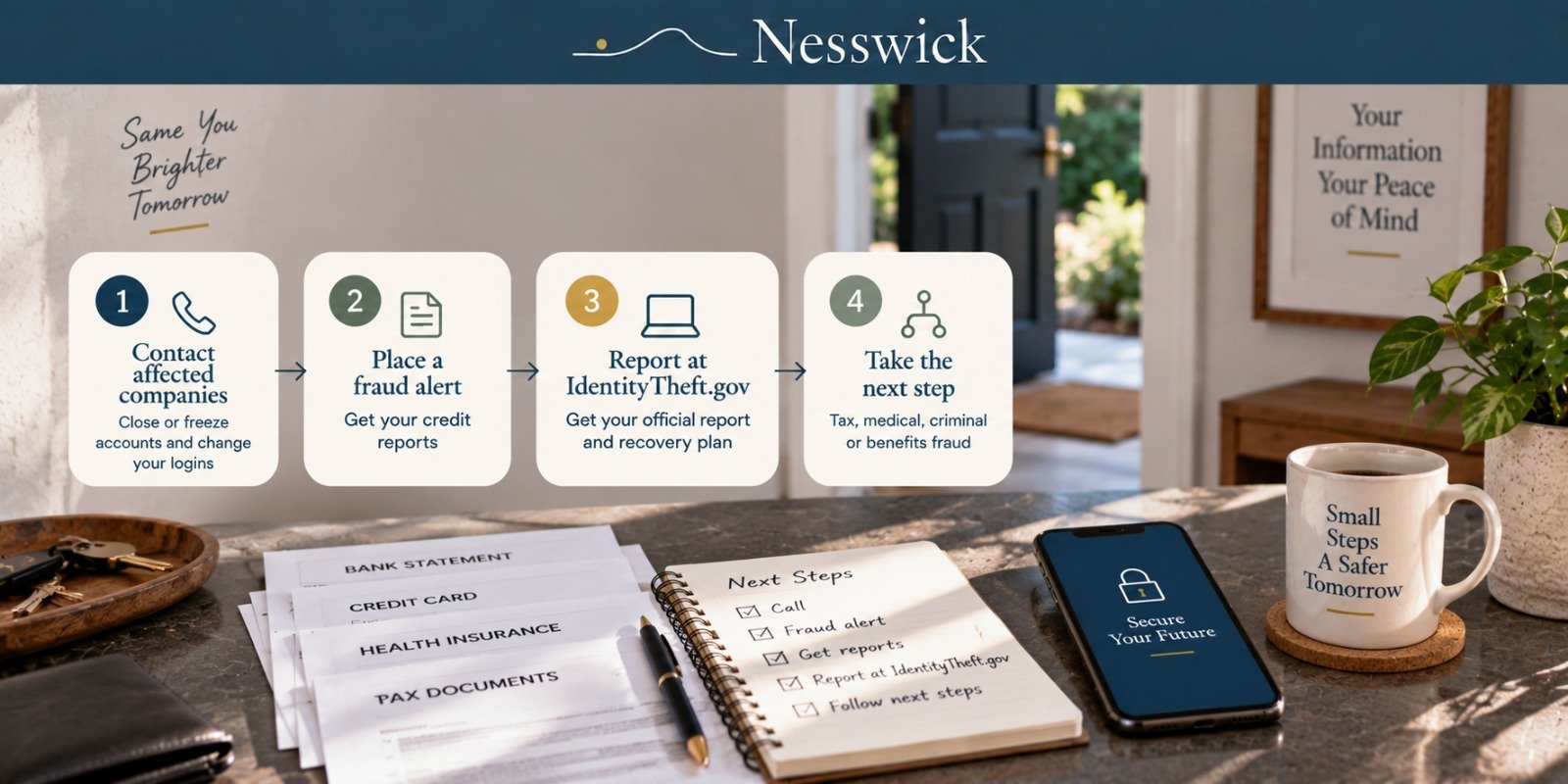
What to Do First If Your Identity Is Stolen: The Order That Matters
Read Guide →: What to Do First If Your Identity Is Stolen: The Order That MattersMost guides give one flat list, as though all identity theft were a stolen credit card. Here are the first…

How to Freeze Your Credit at All Three Bureaus (and Lift It Again)
Read Guide →: How to Freeze Your Credit at All Three Bureaus (and Lift It Again)Everyone tells you to freeze all three credit bureaus. Nobody mentions that the three do not cover the file a…

How Much Does Identity-Theft Protection Cost? A Current US Price Reference
Read Guide →: How Much Does Identity-Theft Protection Cost? A Current US Price ReferenceCurrent US prices for Aura, LifeLock and IdentityForce, with the renewal figures beside the advertised ones. Roughly $145 to $420…
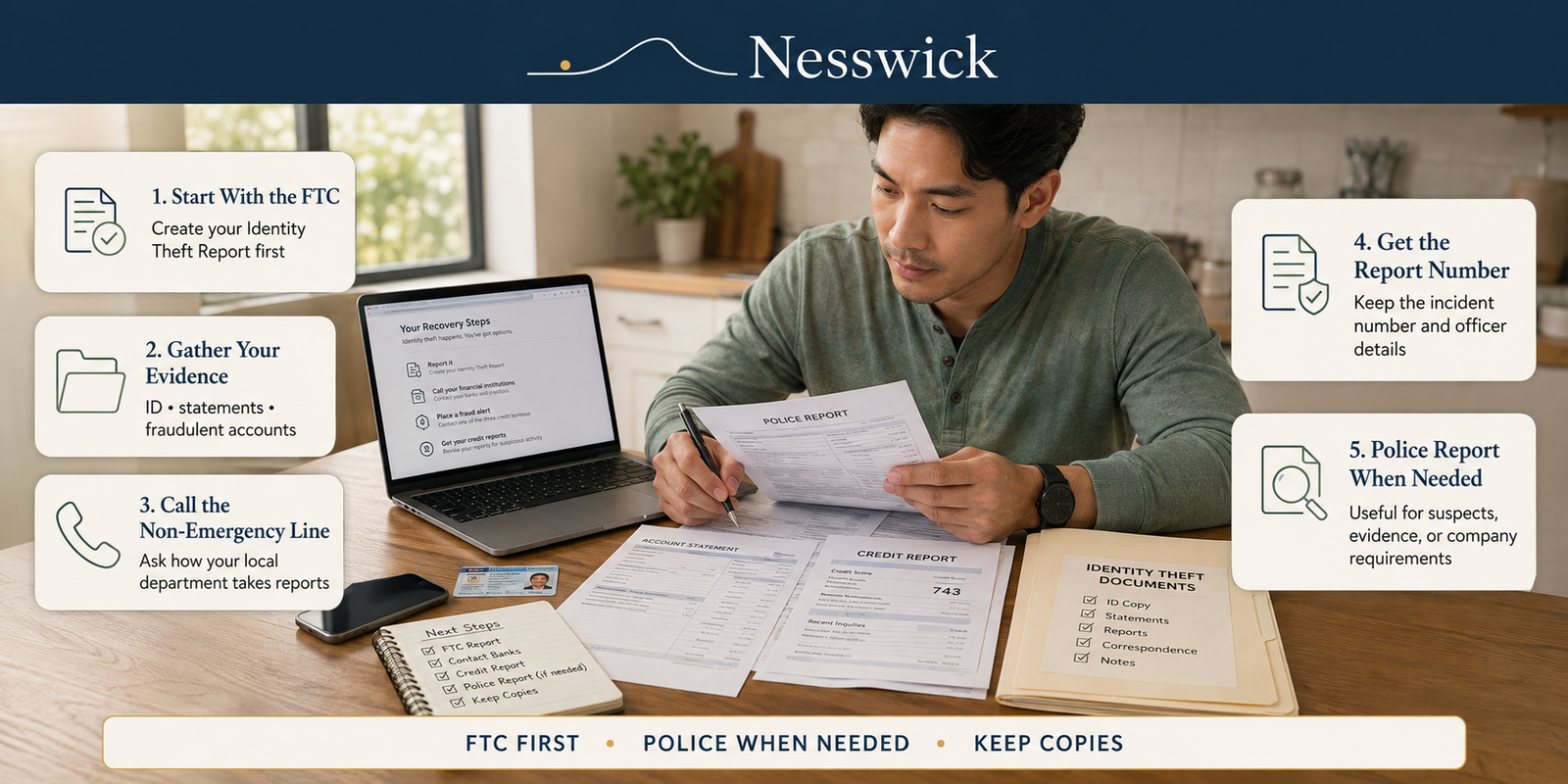
How to File a Police Report for Identity Theft
Read Guide →: How to File a Police Report for Identity TheftStart free at IdentityTheft.gov. A police report matters in specific situations, and this guide covers when, what to bring, and…
What this section helps with
- Understand the difference between a credit freeze, fraud alert, and identity monitoring.
- Reduce the chance that someone can open new accounts in your name.
- Recognize early warning signs of identity misuse.
- Prepare a response plan before an incident happens, not after.
- Decide whether a paid monitoring service adds meaningful value for your family.
Tools we may cover
This category may cover identity monitoring services, credit monitoring tools, and fraud alert systems. We explain how these services generally work and what they monitor, without ranking or promoting a specific provider here.
What these tools cannot guarantee
Identity monitoring services can alert you after certain kinds of misuse are detected, but they cannot prevent identity theft from happening, and they do not catch every type of fraud. Speed of detection and coverage varies by provider and by the type of fraud involved.
How Nesswick evaluates this category
Our assessments of identity protection services follow the same evidence-based approach described in How We Test and Editorial Policy.
Nesswick Products for Identity Protection
Nesswick currently reviews the following identity protection service:

Aura
Aura bundles identity theft protection, credit monitoring, antivirus, VPN, a password manager, and data removal into one family-friendly subscription. This…
Not sure where to begin? Start Here.